Flexe Discover: Find warehouse capacity, benchmark pricing and prove ROI. Explore Now
Articles

Flexe Institute Market Watch: Digitization Efforts Ease Labor, Cost Challenges

With economic headwinds growing and costs staying above pre-pandemic levels, supply chain professionals look to automation to solve challenges.
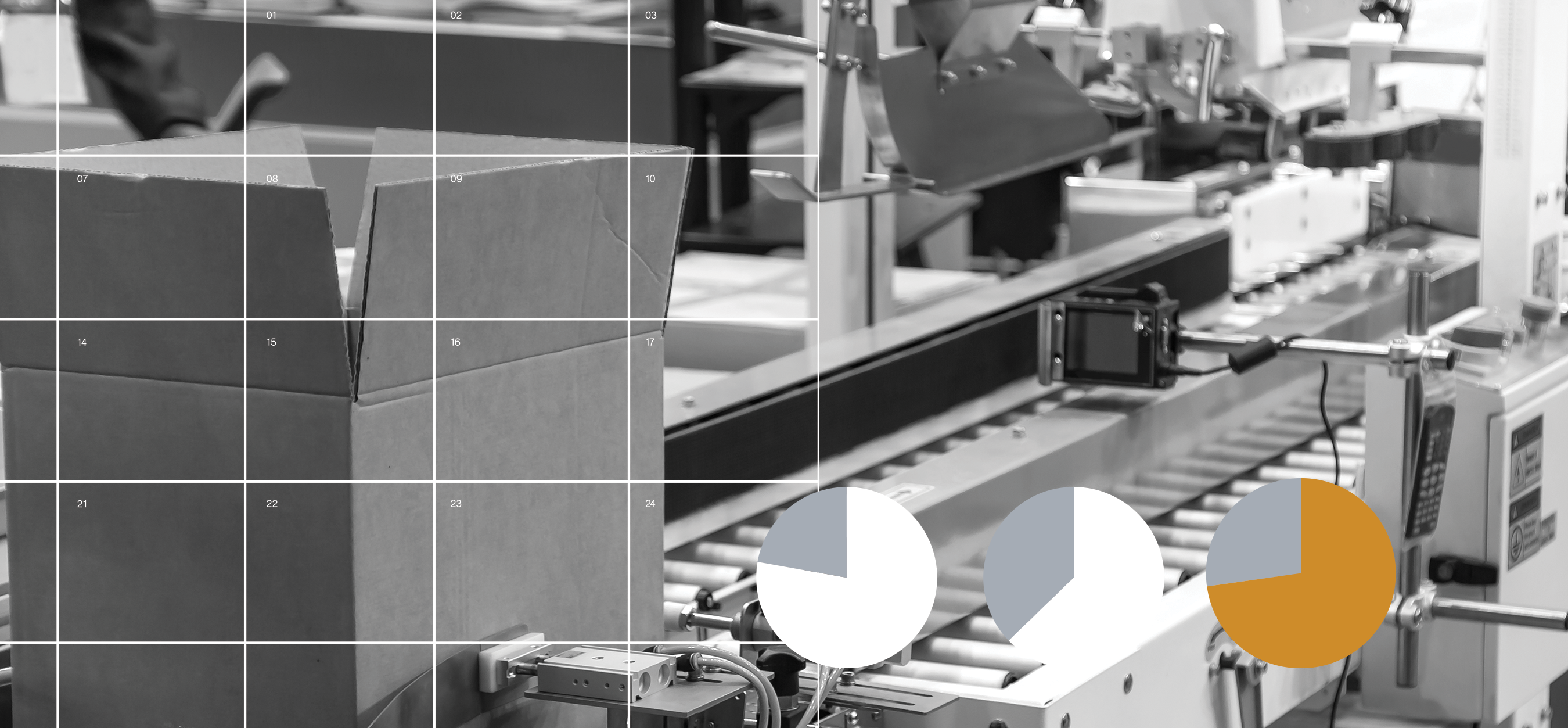
Market Watch Collage June2023
Technological investments also combat labor concerns.

Key Takeaways

  • 8 in 10 US adults expect economic turmoil in 2023
  • 6 of 10 believe prices will continue to rise while the stock market falls
  • 6.8% MoM drop in consumer Sentiment
  • Conference Board business expectations index lowest since 2011
  • Leaders use supply chain cost-cutting measures to protect revenues
  • Automated solutions emerge as a trusted method

As peak season nears, the global economy looks very different from a year ago. Instead of finding capacity at any cost, shippers use the supply chain to reduce spend. But costs above pre-pandemic highs and continued labor struggles threaten many organizations’ bottom lines.

Signs point to an economic slowdown, and consumer demand tightened in H1 2022.

  • Eight in 10 US adults expect economic turmoil in 2023
  • Six out of 10 believe prices will continue to rise while the stock market falls
  • Consumer sentiment dropped by 6.8% in May
  • Conference Board business expectations index lowest since 2011
  • Freight companies cut demand expectations for H2 2023 as many retailers pause big orders

Organizations realize they need to cut costs while boosting resiliency and efficiency. A significant cost driver is labor. Seventy-three percent of warehouse operators can’t find enough workers.

Automation emerges as key cost cutter

Supply chain leaders lean into automation as a solution to cut costs and solve labor issues. Digitization strategies like autonomous forklifts, pickers, storage and retrieval systems reduce personnel needs, freeing them for more strategic work such as compliance, customer service and other revenue-generating functions. The right solution depends on a company’s SKU mix, velocity and forecasted volumes. Here is a look at how automation intersects with each.

High SKU count, small, sortable items

Warehouse sorting and sequencing is a highly manual and time-consuming process. It requires workers perform repetitive and physically difficult tasks. The time workers walk through warehouses accounts for more than 50% of total picking time.

Growing companies often add large SKU assortments, which adds to their warehousing footprint and creates more distance to the pick path. Automation reduces manual picking errors from mis-picks of wrong colors and sizes for similar products. Currently, large retailers, like Kroger, use robots to pick customer grocery orders.

Consolidating warehouse network to accommodate fast-moving SKUs

Fast-moving SKUs present warehouse worker challenges. To keep up with high-velocity sales, employees must fulfill demanding orders. Automated solutions can reduce employee physical strain.

Businesses with fast-moving SKUs benefit from taking a two-fold approach to automation investment. First, start with network evaluation. Leading organizations maximize their technological upgrades by consolidating warehouse locations. These consolidated DCs hold valuable, faster-moving SKUs close to demand centers.

These facilities then get automation investment to assist workers with job requirements. Nike uses “cobots” (collaborative robots) alongside humans to decrease order processing time for popular items.

High-growth products’ forecastable volume

A major determining factor in the success of an automation effort lies in the forecastable volume of a product. Is the item popular? Will it continue to grow at scale? These questions determine whether automated solutions will be applicable.

The average life span of an automated warehouse was 15.3 years, and 35% of companies with automated warehouses said they had at least one warehouse over 20 years old. This makes long-term volume projection critical to the overall success of an automation investment. As a result, long-term demand forecasts provide critical information for automation projects.

General Motors Co invested $20.5M in distribution centers to modernize warehouse operations as GM prepares for industry growth and electric vehicle readiness.

Technology investment to solve supply chain challenges

According to a McKinsey report about the intersection of labor and warehouse tech, “the long-term implications of a high reliance on labor are clear: Automation in warehousing is no longer just nice to have but an imperative for sustainable growth.”

Some organizations may choose to implement WMS scanning barcodes or automated conveyable systems to help employees increase productivity and efficiency, thus delaying deeper automation investments until they are more ubiquitous. In contrast, others may want more predictable cost inputs than rising worker wages and will invest in more automated planning solutions or full-robotic warehouses. But whatever solution a company chooses will help negate cost and labor challenges.

Supply chain modes and nodes update

Ocean freight

US Ports

Intermodal

Freight

Warehouse Solutions

Transform your supply chain with an asset-light, agile approach

Save OpEx with Flexe

Stop overpaying. Calculate estimated savings by switching from rigid long-term leases to a pay-as-you-go model.

How It Works

A Dynamic Business Needs a Dynamic Supply Chain

Flexible Warehouse Network

Instantly find locations and specialized providers to optimize your inventory and handle the unpredictable.

Market Insights

Supply Chain Intelligence

Access market trends, vacancy rates, site costs, and capabilities to pinpoint your next strategic move.

Who We Are

Subscribe to
Flexe Resources

Get new posts delivered to your inbox.

Sign up to be part of the Flexe Logistics Network. Flexe Resources